
Can You Replace a Roof in the Winter in Pennsylvania? What Lancaster County Homeowners Should Know Before Waiting Until Spring
A leak shows up in December, or a January storm lifts a few shingles, and the question arrives fast: do you really have to wait until spring? The honest answer is that a roof can be replaced in winter in Pennsylvania when the conditions and the crew’s methods are right, and sometimes waiting is the better call. This guide explains what cold weather changes, what a careful winter install looks like, and how to decide for your own roof.
We are TopFlight Roofing Co., based in Lititz, and we work with homeowners across Lancaster County. Everything below is general information. Your roof, your forecast and your manufacturer’s instructions decide what is right for your home, and an in-person inspection is the only way to know. Our roof replacement page explains the full process.
The short answer: yes, with the right conditions
Roofing does not stop in winter, but it does slow down and get pickier. The deciding factors are the temperature on the day, whether the roof is dry and safe to work on, and how the crew handles the materials. A roof replaced on a calm, dry winter day by a crew that plans for the cold can turn out just as well as one done in June. A roof replaced on a wet, icy day by a crew that ignores the weather will not.
What cold weather changes for asphalt shingles
Most Lancaster County homes have asphalt shingles, so that is where cold weather matters most. Three things change:
- The sealant strip bonds slowly. Each shingle has a factory sealant strip that uses warmth from the sun to glue the tab down. In cold weather that bond can be slow or incomplete at first.
- Shingles get stiffer. Cold shingles are harder to handle and more likely to crack or crease if they are bent or walked on carelessly.
- Hand-sealing becomes important. When the strip will not activate on its own, roofers add dabs of approved roofing cement under the tabs so the shingles hold until warmer weather finishes the bond.
Shingle manufacturers publish their own cold-weather guidance, including when to hand-seal and how to store and handle bundles. GAF explains the basics in its guide to installing shingles in cool temperatures. We follow the manufacturer’s instructions for the specific shingle on your roof, and you should ask any contractor to do the same.
What winter in Lancaster County actually looks like
The chart shows why this question comes up. In a normal year, afternoon highs in December, January and February sit in the 30s and 40s, and nighttime lows are below freezing. That does not mean every day is unworkable. Winter also brings milder, dry stretches, and a good roofer watches the forecast and picks them. It does mean the schedule has to bend to the weather instead of the other way around.
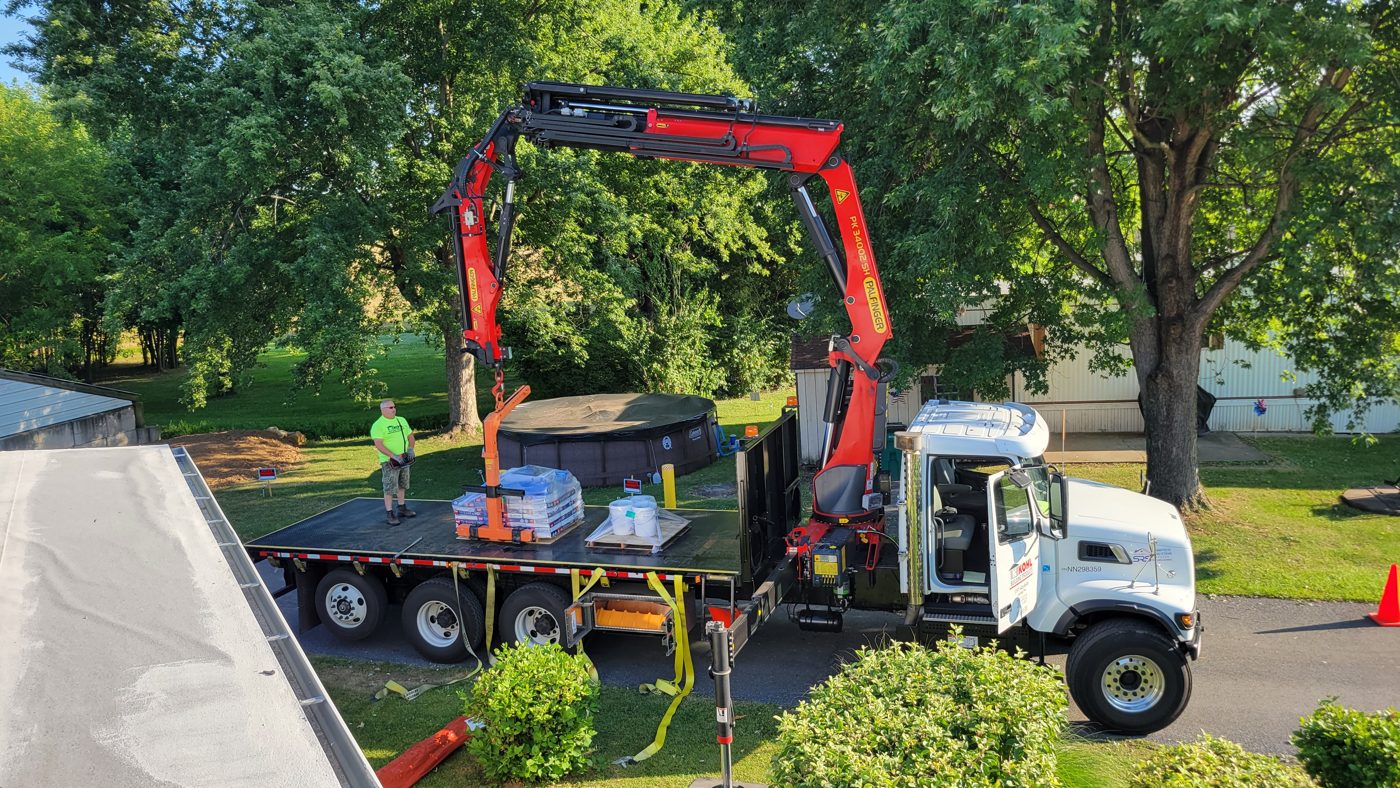
What a careful winter replacement looks like
What winter changes about the schedule
| What changes | Winter roof replacement | Why it matters to you |
|---|---|---|
| Daylight | Shorter working days | A big roof can take more days, so expect a realistic timeline. |
| Weather | Rain, snow and ice can pause the work | Your start date can move. A flexible crew will tell you early. |
| Shingle sealing | Hand-sealing is more likely to be needed | Ask how your contractor handles it and what the manufacturer says. |
| Temporary protection | Tarps and underlayment matter more | An open roof should never be left unprotected overnight. |
| Cleanup | Frozen or snowy ground can hide debris | Ask how the crew checks the yard and gutters when they finish. |
When it makes sense to repair now and replace in spring
Replacing now is not always the right move. A winter repair can be the smarter choice when:
- The leak is small and the rest of the roof is in decent shape
- The roof still has years of life left and the problem is local, such as a damaged flashing or a few shingles
- There is snow or ice on the roof and the forecast is poor for the next week or more
- You are comparing options and want time to get more than one estimate
When it makes sense to replace now
Waiting is a bigger risk when water is already getting in and the problem is not small. Consider replacing sooner when:
- A storm tore off shingles in several areas, or the roof is failing across large sections
- You have repeated leaks, stained ceilings or damp insulation in the attic
- The decking looks soft or damaged where it can be seen from the attic
- An insurance claim is moving forward and the adjuster has approved the work
If a storm caused the damage, our storm damage restoration page and our guide on how to navigate insurance claims for roof repairs explain what to document and who to call. For a smaller problem, see residential roof repair.
What a customer said about weather and timing
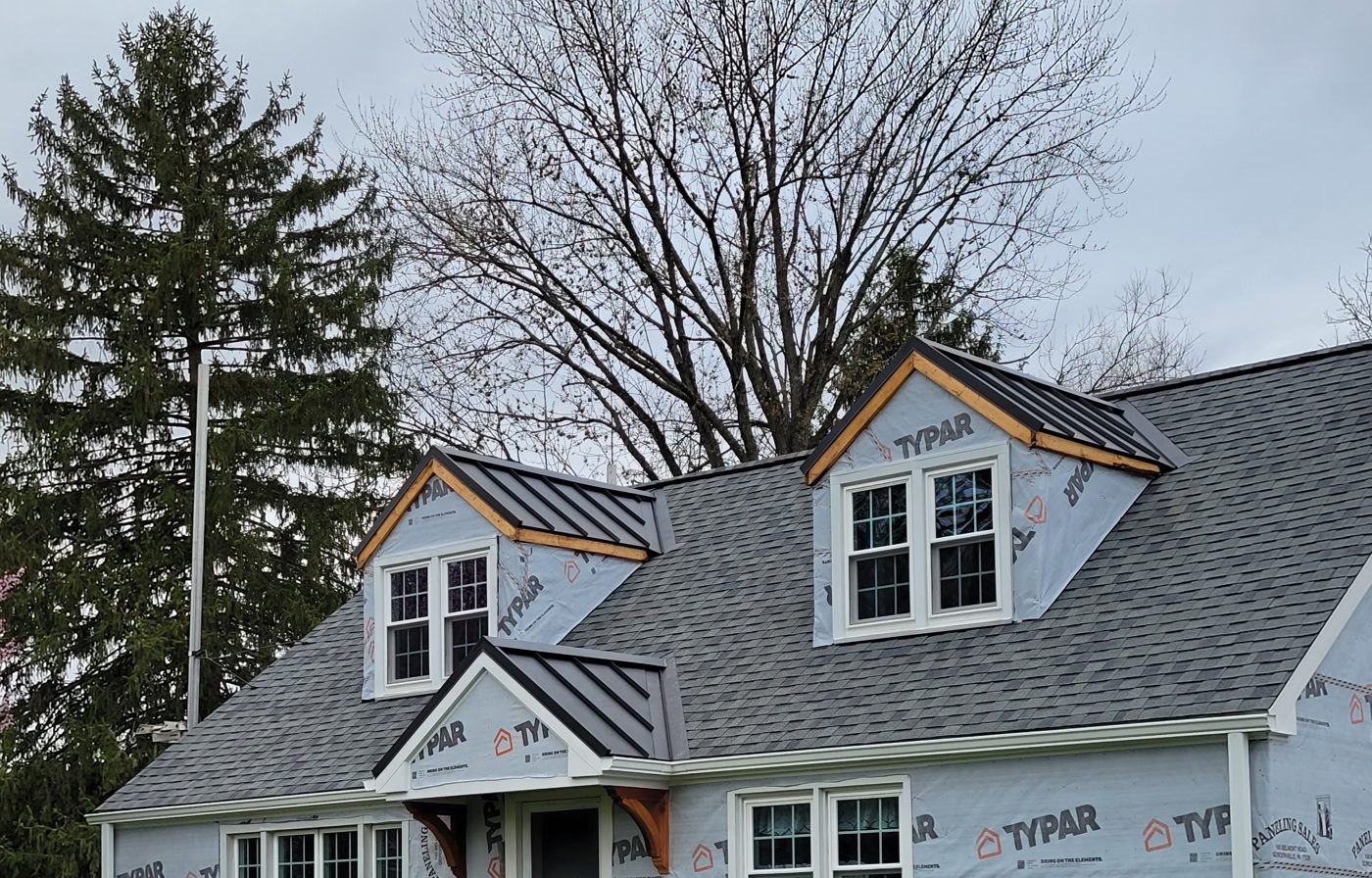
After a miserable experience with another roofing contractor, Topflight came to our rescue. Not only did they give me a beautiful roof, they helped stave off even worse damage while waiting for bad weather to move through. I will be forever grateful for them.
Velma McConnell, 5 stars, Google review, September 2025
What about metal roofing in winter?
Metal panels do not depend on self-sealing shingle strips, so cold weather affects them differently. Trim, sealants and fasteners still have their own temperature guidance, and snow and ice make a metal roof slick to work on. Metal can be a good fit for some homes. Our metal roofing page covers the options, and your contractor can tell you what applies to the system you choose.
Questions to ask any roofer before a winter install
- How do you decide whether a day is safe and suitable to work?
- How do you handle sealing the shingles in cold weather, and what does the manufacturer’s guidance say?
- How much of the roof will be open at any one time, and how is it protected overnight?
- What happens to my schedule if the weather turns?
- Will the manufacturer’s warranty apply to a cold-weather installation?
- Is the company licensed and insured, and can I see the proof?
Your next step
If your roof needs attention this winter, the first step is simply to find out what you have. We will look at the roof, the damage and the forecast, and give you a straight answer on whether to replace now or repair and wait. We serve homeowners in Lititz, Lancaster, Manheim, Elizabethtown, Mount Joy and the surrounding area. Contact us for a free estimate, or read our guide to what to expect during the roof replacement process first.
Frequently asked questions
Can you replace a roof in the winter in Pennsylvania?
Yes, it can be done when the weather window, the materials and the crew’s methods are right. Cold weather changes how asphalt shingles seal and handle, so a good roofer adjusts for it, for example by hand-sealing shingles. If conditions are poor, a temporary repair and a spring replacement can be the better plan.
Can roofers work in winter?
Many can, on the right days. Crews generally avoid wet, icy or snow-covered roofs and work when the roof is dry and safe. Short winter days and weather delays mean schedules are more flexible than in summer.
Will new shingles seal properly in cold weather?
Asphalt shingles seal with a factory sealant strip that needs warmth to bond. In cold weather it may not bond right away, so roofers hand-seal with roofing cement where the manufacturer calls for it, and the shingles fully bond as temperatures rise. Ask your contractor how they handle this.
Does installing a roof in winter void the warranty?
It should not by itself, but warranty terms vary by manufacturer and product. Ask your contractor to show you the cold-weather guidance in the manufacturer’s installation instructions, and confirm what your warranty says before you sign.
Is it better to wait until spring to replace a roof?
Not always. If the roof is leaking, storm damaged or failing in several places, waiting can let water reach the decking and insulation. If the roof has years left and the problem is small, a repair now and a spring replacement can make sense. An inspection tells you which case you are in.
Is metal roofing a good winter option?
Metal panels do not rely on self-sealing shingle strips, so cold affects them differently. Trim, sealants and fasteners still have their own temperature guidance, and snow and ice make a metal roof slippery to work on. Your contractor can tell you what applies to the system you choose.
What should I do if my roof is leaking right now?
Protect the inside first: move belongings, place a bucket, and take photos with dates. Then call a licensed roofer for an inspection. A temporary repair can hold the roof until a replacement can be done safely. Please stay off a snowy or icy roof yourself.
This article is general information and is not a substitute for an on-site roof inspection. Cold-weather installation requirements vary by product, so always follow the manufacturer’s current instructions.